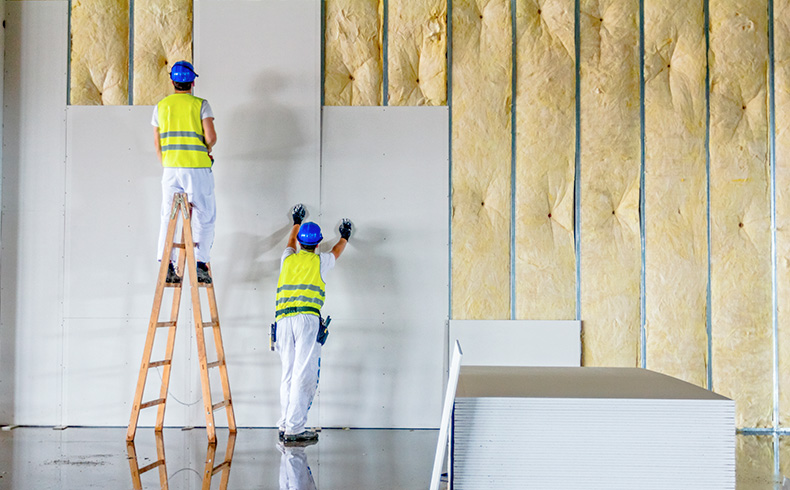
Acoustic ceiling tiles have become an essential element in modern construction, particularly in commercial spaces, offices, and residential buildings where sound control is important. This comprehensive guide will walk you through everything you need to know about acoustic ceiling tiles, from their benefits to installation tips.
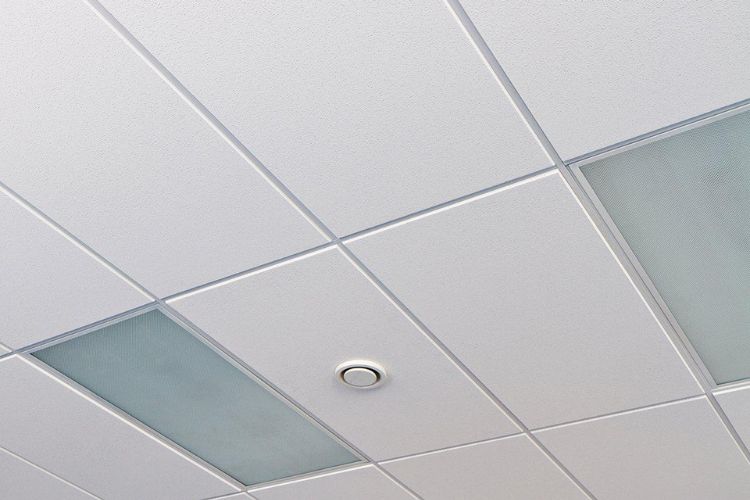
What Are Acoustic Ceiling Tiles?
Acoustic ceiling tiles, also known as acoustic panels or sound-absorbing tiles, are specialized ceiling materials designed to reduce noise levels and improve sound quality within a space. They are typically made from mineral fiber, fiberglass, or acoustic foam, and feature porous surfaces that absorb sound waves.
Benefits of Acoustic Ceiling Tiles
- Noise Reduction: Acoustic tiles can reduce noise levels by up to 50-70%, creating a quieter, more comfortable environment.
- Improved Speech Clarity: In offices and commercial spaces, acoustic ceilings help improve speech intelligibility by reducing echo and background noise.
- Energy Efficiency: Many acoustic tiles provide thermal insulation, helping to reduce energy costs.
- Aesthetic Options: Available in various designs, colors, and textures to match any interior style.
- Easy Installation: Can be installed in existing ceiling systems with minimal disruption.
Did You Know?
Studies show that excessive noise in workplaces can reduce productivity by up to 66%. Installing acoustic ceiling tiles is one of the most cost-effective ways to create a more productive work environment.
Types of Acoustic Ceiling Tiles
1. Mineral Fiber Ceiling Tiles
These are the most common type, made from compressed mineral fibers. They offer excellent sound absorption and fire resistance at an affordable price.
2. Fiberglass Ceiling Tiles
Lightweight and highly effective at sound absorption, fiberglass tiles are ideal for spaces requiring superior acoustic performance.
3. Gypsum Ceiling Tiles
These tiles combine gypsum with acoustic properties, offering both sound absorption and durability. They're perfect for high-traffic areas.
4. Metal Ceiling Tiles
For a modern, industrial look, metal acoustic tiles provide good acoustics while adding visual interest to any space.
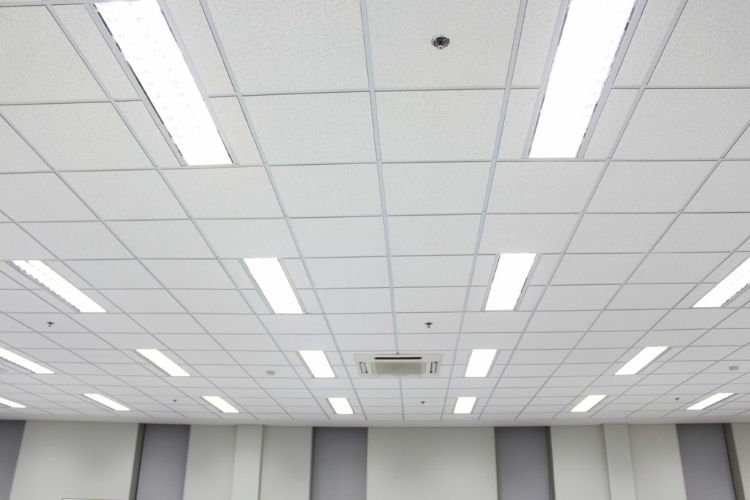
How to Choose the Right Acoustic Ceiling Tiles
Selecting the right acoustic ceiling tiles depends on several factors:
- Noise Level: Consider the ambient noise in your space. High-noise areas like restaurants need higher NRC (Noise Reduction Coefficient) ratings.
- Aesthetic Requirements: Choose tiles that complement your interior design.
- Budget: Costs vary widely, from affordable mineral fiber to premium options.
- Installation Method: Ensure compatibility with your existing ceiling system.
- Fire Rating: Check local building codes for required fire ratings.
Pro Tip
Look for tiles with an NRC rating of 0.75 or higher for best sound absorption. The higher the NRC, the better the tile absorbs sound.
Installation Guide
While professional installation is recommended, here's what the process typically involves:
- Prepare the Area: Clear the workspace and ensure proper lighting.
- Measure and Plan: Calculate the number of tiles needed, adding 10% for waste.
- Install the Grid: Set up the ceiling grid system according to manufacturer specs.
- Place the Tiles: Carefully fit tiles into the grid, ensuring even placement.
- Finish Edges: Install edge trim for a clean, professional look.
Maintenance and Care
To keep your acoustic ceiling tiles looking and performing their best:
- Dust regularly with a soft brush attachment
- Avoid moisture exposure to prevent mold
- Clean stains promptly with mild soap solution
- Replace damaged tiles immediately
Need Help Choosing the Right Ceiling?
Our experts at KM8 Enterprises are here to help you select the perfect acoustic ceiling tiles for your project.
Contact Our Experts